


Managing Bruxism: Night Guards, Stress Reduction & Treatment Options
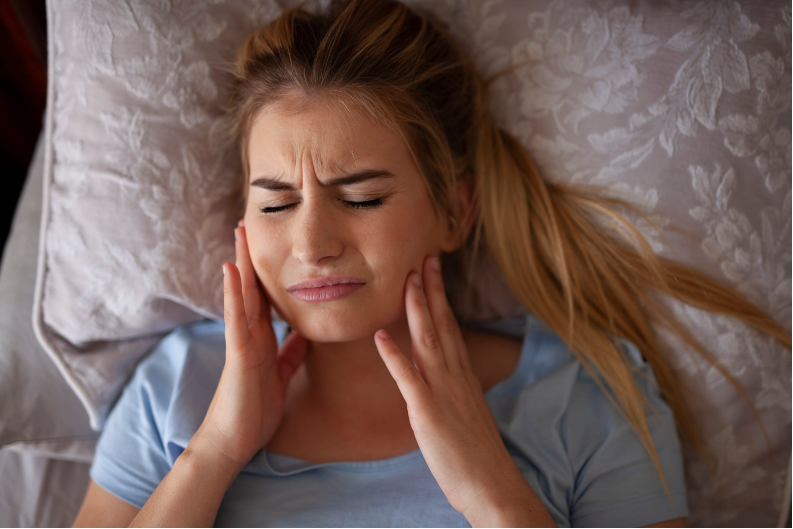
Many people grind or clench their teeth without even realising it. Sometimes it happens during stressful moments throughout the day, but most often it happens at night while you’re asleep. This makes bruxism hard to detect, and even harder to stop, until the symptoms start to show.
If you often wake up with a sore jaw, headaches, sensitive teeth, or feel like your bite is “tight,” you may be grinding. At Hawkesbury Family Dental, we help patients manage bruxism every day, and the good news is that with the right support, you can protect your teeth and reduce discomfort.
This guide explains what bruxism is, how it affects your smile, and the practical steps you can take to manage it.
What is Bruxism?
Bruxism is a condition where you grind, clench, or gnash your teeth. It can happen while you’re awake or while you’re sleeping. Sleep bruxism is generally harder to control because you have no awareness of what your jaw is doing.
Bruxism can affect both adults and children. While occasional grinding may not cause long-term damage, ongoing grinding can wear down teeth, strain the jaw, and lead to broader health concerns.
Common Signs You Might Be Grinding Your Teeth
Many people don’t realise they grind until their dentist tells them about the damage it has already caused to their teeth. Here are some common signs to look out for:
- Waking up with jaw soreness or tension
- Teeth that feel sensitive or “tired”
- Frequent headaches (especially in the temples)
- Clicking or popping in the jaw
- Flattened or worn-down teeth
- Chipped enamel or unexplained tooth damage
- Earaches or pressure around the ears
- Partners hearing grinding sounds at night
If you relate to a few of these, it’s worth discussing it with your dentist. Bruxism is very manageable once identified.
Why Do People Grind Their Teeth?
There isn’t one single cause, bruxism is usually influenced by a mix of lifestyle, physical, and emotional factors. Common contributors include:
1. Stress & Anxiety
One of the biggest triggers. When stress builds, many people unconsciously clench their jaw during the day or grind their teeth during sleep.
2. Sleep Position or Sleep-Disorders
Grinding is more common in people who snore or who have disrupted sleep patterns.
3. Bite or Alignment Issues
If your teeth don’t align well, your jaw muscles may work harder to find a comfortable position, which can lead to grinding.
4. Caffeine & Alcohol
Both can overstimulate the nervous system and increase nighttime grinding.
5. Lifestyle Habits
Chewing on pens, biting nails, or clenching your jaw during focused work can contribute to bruxism.
Understanding what may be contributing to your grinding helps us tailor your treatment more effectively.
How Bruxism Affects Your Teeth & Jaw
Grinding and clenching can cause more than just discomfort. Over time, bruxism can lead to:
- Worn-down enamel
- Cracked or chipped teeth
- Increased sensitivity
- Receding gums
- Inflammation in the jaw joints
- Difficulty opening or closing your mouth fully
- TMJ (temporomandibular joint) issues
These problems often develop slowly, which is why early identification and management are so important.
Night Guards: One of the Most Effective Ways to Protect Your Teeth
A
custom night guard is one of the simplest and most effective ways to prevent tooth damage caused by nighttime grinding. Here’s how it helps:
1. Creates a Protective Barrier
The guard sits between your upper and lower teeth so you’re not grinding them against each other.
2. Reduces Muscle Tension
A night guard helps your jaw relax, which can reduce morning soreness and protect your jaw joints.
3. Prevents Enamel Wear
By stopping direct tooth-to-tooth contact, you protect your enamel from further damage.
4. Custom Fit for Comfort
Boil-and-bite guards from the chemist often don’t fit well and can be uncomfortable. A dentist-made guard is designed precisely for your bite and is far more durable.
For many people, a night guard alone makes a big difference in reducing symptoms.
Stress Reduction for Bruxism
Because stress is such a common trigger, managing tension during the day can significantly reduce grinding at night. Here are simple lifestyle habits that can help:
1. Jaw Relaxation Awareness
Because stress is such a common trigger, managing tension during the day can significantly reduce grinding at night. Here are simple lifestyle habits that can help:
2. Create a Calming Night Routine
Even small steps make a difference:
- Light stretching
- Avoiding screens before bed
- Warm showers
- Listening to calming music or breathing exercises
3. Reduce Stimulants in the Afternoon
Cut back on coffee, energy drinks, or strong tea later in the day, they can make nighttime teeth grinding more likely.
4. Avoid Chewing Gum
It keeps the jaw muscles active and can make them more prone to clenching.
5. Gentle Heat on the Jaw
Warm compresses can relax tight jaw muscles before bed.
Small changes often help soften the intensity and frequency of grinding over time.
Dental Treatment Options for Managing Bruxism
Beyond lifestyle adjustments and night guards, your dentist may suggest additional treatments depending on your symptoms and dental health.
1. Treating Worn or Damaged Teeth
If grinding has already caused chips, cracks, or enamel wear, we may recommend:
- Dental bonding
- Crowns
- Smoothing rough edges
These treatments protect damaged teeth from further wear.
2. Correcting Alignment Issues
If your grinding is linked to a misaligned bite, orthodontic treatments may help your jaw rest more naturally.
3. Monitoring for TMJ Concerns
If jaw clicking, locking, or pain is present, your dentist will assess whether additional steps are needed to support the joint.
4. Regular Check-Ups
Bruxism can change over time. Routine visits allow us to track wear patterns, adjust your night guard if needed, and address symptoms early.
Supporting Healthy Smiles in Hawkesbury
At Hawkesbury Family Dental, we understand how frustrating and uncomfortable teeth grinding can be. We’re here to help you identify what’s causing your bruxism and provide practical, personalised treatment options, whether that’s a night guard, lifestyle guidance, or restorative care.
If you’re waking up with jaw pain, headaches, or feel like you might be grinding, contact our friendly team today. We’ll help protect your smile and make sure your teeth stay healthy and strong for years to come.