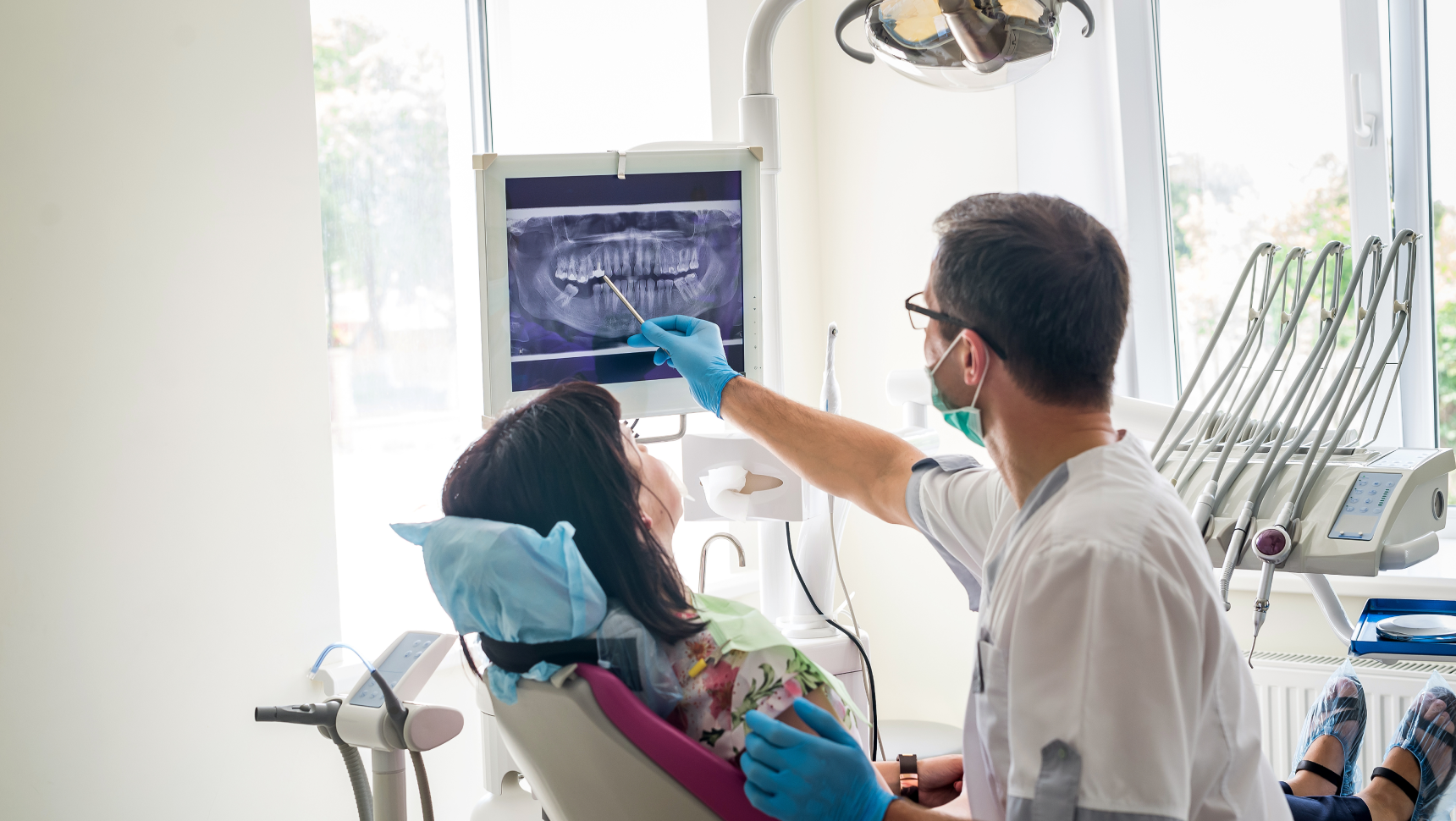



Dental Implants: A Complete Guide to What You Need to Know

Missing teeth can affect far more than your smile. Over time, gaps can change the way you eat, speak, and even how your jawbone holds its shape. Dental implants offer Hawkesbury patients a long-term solution that feels and functions like a natural tooth.
This guide explains how they work, who they’re suitable for, what the procedure involves, and how to care for them afterwards.
If you’re weighing up your options or just want clear, practical information, this article will help you understand what’s involved.
What are dental implants?
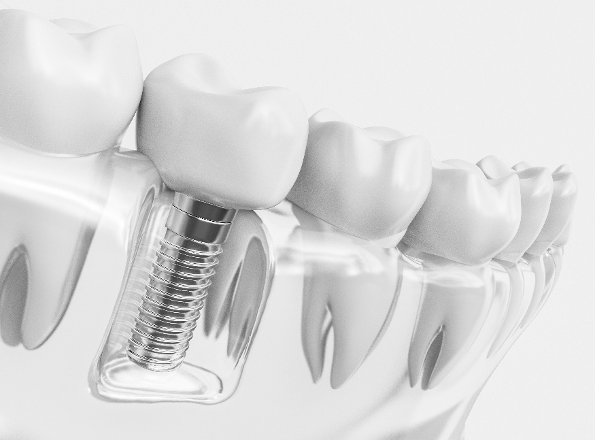
A dental implant is a small titanium post that is placed into the jawbone to replace the root of a missing tooth. Once healed, it acts as a stable foundation for a crown, bridge, or denture.
Unlike removable options, implants are fixed in place. They don’t rely on neighbouring teeth for support and don’t shift when you eat or talk. Over time, the implant bonds with the bone, helping keep jaw strength and structure.
According to Health Direct Australia, dental implants are designed to be long-lasting and are commonly used when a person has lost one or more teeth due to decay, injury, or gum disease.
Patients find implants appealing because they:
- Feel more like natural teeth compared to removable options
- Allow you to chew comfortably without worrying about movement
- Help prevent bone loss in the jaw where teeth are missing
- Don’t place pressure on surrounding teeth
Implants also support long-term oral health by maintaining proper spacing and bite alignment.
Who is suitable for dental implants?
Dental implants are suitable for many adults, but they’re not a one-size-fits-all solution. A thorough assessment is always needed. You may be a good candidate if you:
- Have one or more missing teeth
- Have healthy gums or treatable gum conditions
- Have enough jawbone to support the implant, or are suitable for bone grafting
- Are in generally good health
Smoking, certain medical conditions, or advanced bone loss may affect suitability, but this doesn’t automatically rule implants out. A consultation helps figure out what’s possible and whether alternatives should be considered.
The dental implant process, step by step
The dental implant procedure is completed in stages. This allows the bone and surrounding tissues to heal properly and ensures the implant is stable long term.
Initial consultation and planning
The process starts with a detailed assessment. This includes examining your teeth and gums, reviewing medical history, and taking X-rays or scans to check bone levels.
A tailored treatment plan is then created, outlining timelines, costs, and what to expect at each stage.
Implant placement
The implant is surgically placed into the jawbone under local anaesthetic. The area is then allowed to heal over several weeks or months. During this time, the bone bonds with the implant in a process called osseointegration.
Attaching the crown
Once healing is complete, an abutment is attached to the implant. This connects the implant to the final crown. The crown is custom-made to match your natural teeth in shape and colour.
Mayo Clinic notes that while the process takes time, this staged approach is what gives dental implants their durability.
Recovery and aftercare
Most people return to normal activities within a day or two of implant placement, although mild swelling or discomfort is common initially. Good aftercare is essential for long-term success.
- Maintain regular brushing and flossing
- Attend follow-up appointments as recommended
- Avoid smoking during healing
- Keep up with routine dental check-ups and cleans
How dental implants compare to other tooth replacement options
Dental implants differ from bridges and dentures in a few important ways.
Bridges rely on adjacent teeth for support, which means healthy teeth may need to be reshaped. Dentures are removable and can shift or loosen over time. Implants stand alone, supporting themselves through the jawbone.
Each option has its place. The right choice depends on your oral health, budget, and personal preferences, which is why professional advice is important before making a decision.
Dental implants at Hawkesbury Family Dental
At Hawkesbury Family Dental, dental implant care is approached with the same philosophy applied to all treatment: patient-focused, practical, and transparent.
A family-owned and operated practice based in Windsor, Melbourne, the team takes the time to explain options clearly and only recommends treatment that’s genuinely needed. Patients can see the same dentist at each visit, helping build trust and consistency throughout longer procedures like implants.
The clinic promotes preventative dentistry alongside restorative care, helping patients protect their oral health before problems become complex or costly. Convenient parking, central location, and flexible payment options make treatment more accessible for the local Hawkesbury community.
Is a dental implant right for you?
Dental implants can be a strong, long-term solution for missing teeth, but the best way to know if they’re right for you is through a professional assessment.
If you’re considering them, speaking with an experienced local dental team allows you to understand your options clearly and plan treatment with confidence.
Read our blog: Dental Implants 101: Types, Process & Is It Right for You?
Book a dental implant consultation today
Need to book an orthodontist near Mulgrave, Bligh Park, or Windsor? If you’d like to discuss whether implants are suitable for your smile, the team at Hawkesbury Family Dental is here to help.
Call 45 777 311 or email hawkesburyfamilydental@hotmail.com to book a consultation. Feel free to visit us in person on 329 George Street, Windsor NSW 2756
From personalised treatment planning to ongoing care, Hawkesbury Family Dental offers trusted, community-focused dental services designed to support your smile for the long term.